March 30, 2026
Starting Pakathon Melbourne From a Newspaper Article
I found Pakathon in a newspaper article. That's it. No grand plan, no mission statement I'd been carrying around for years. I read about a global movement connecting Pakistani entrepreneurs, researchers, and technologists to opportunities back home, and I thought: I want to start a chapter of that here.
When I told a friend, his first question wasn't "how can I help." It was "are you getting paid for this?" Then, "why would you even want to do this?"
Honestly, I didn't have a noble answer. I was a student in Melbourne with a network that started and ended at university and work. I wanted to build something outside of that — connect with other Pakistanis, other people my age who were curious about the same things, and see what came of it. Pakathon wasn't charity for me. It was self-interest dressed up as community building, and I think that's a more honest way to describe most people's motivations than they usually admit.
The First Event
Our first event ran on 23 July 2015, at the Charles Pearson Theatre at the University of Melbourne. Free entry, run in collaboration with the Melbourne University Pakistani Society. 112 people said they were coming on Facebook. 108 actually showed up.
We had six speakers, and getting them wasn't easy for a chapter that didn't exist yet — Fiza Farhan, a Forbes 30 Under 30 entrepreneur running the Baksh Foundation; Alastair Pryor from Compact Shelters; Georgia Retallick, Victoria's Young Achiever of the Year that year; a few others with stories that had nothing to do with each other except ambition. I remember standing at the door helping people find the theatre because Google Maps kept sending people to the wrong entrance.
We did a radio spot on SBS Urdu the night before, and I did the interview alongside a teammate, Alea Rizvi. Neither of us had done live radio before. It went fine, mostly because neither of us had time to be nervous.
The Hackathon
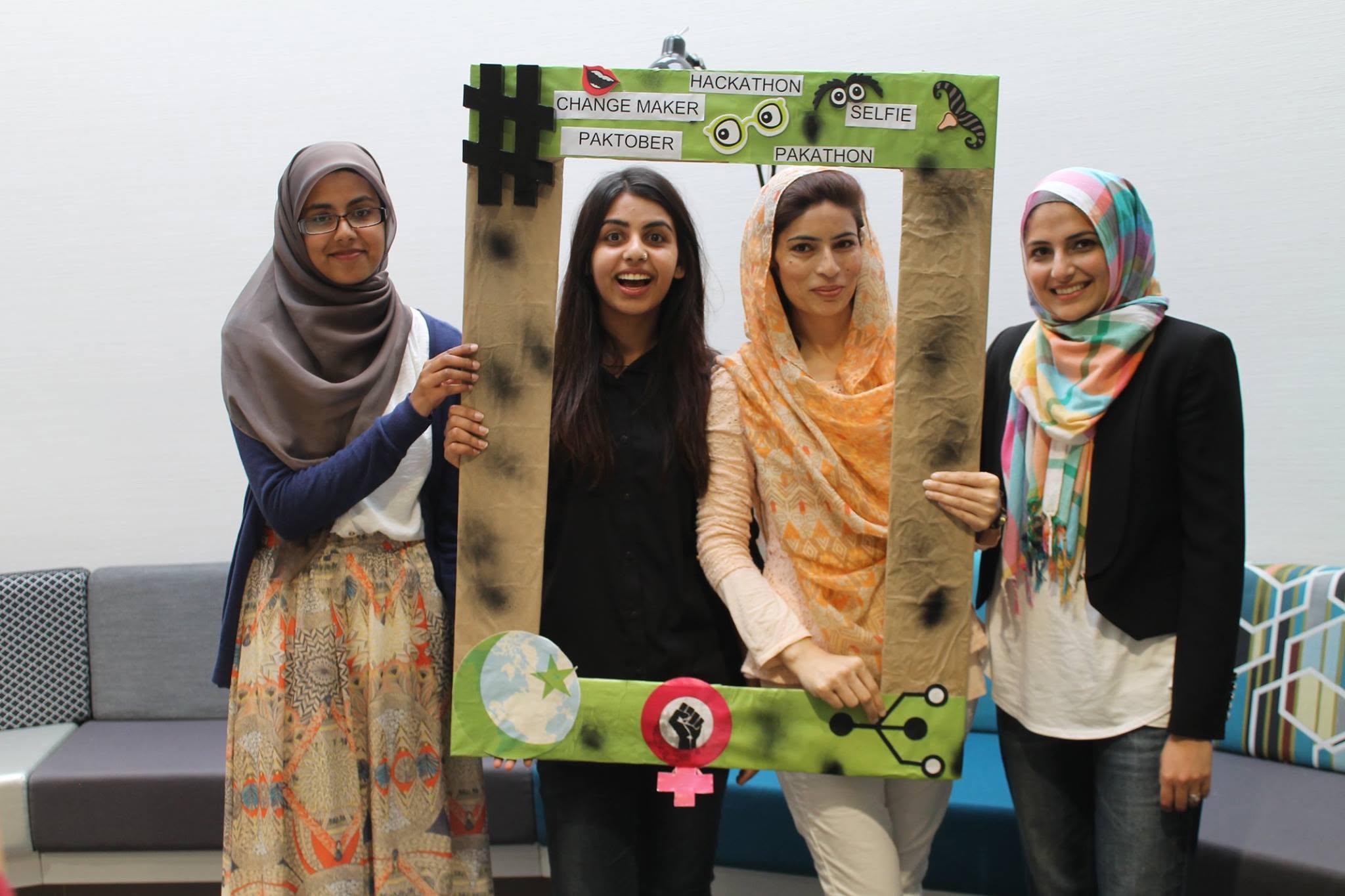
By October we ran our first Hackathon — three days at Hawthorn Town Hall, theme: "Strive for progress, not perfection." Teams pitched ideas ranging from a doorstep-help app to a kids' TV channel parents could actually trust their children to watch, to a venture connecting new mothers with medical staff for natal care education.
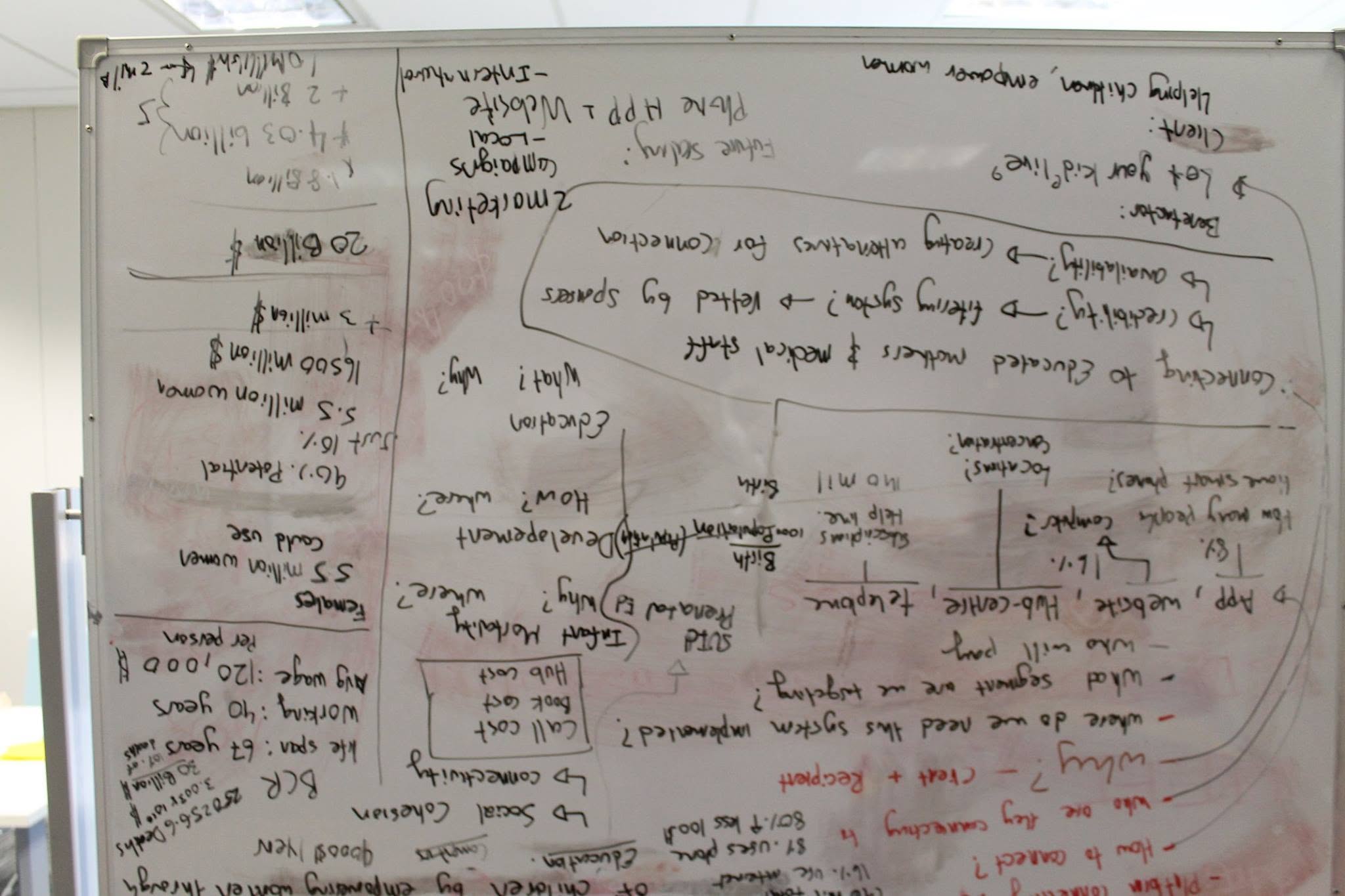
One of the people who showed up on Day 1 was Zahra Dhanji — a serial entrepreneur who walked in, pitched three separate ideas back to back before most people had pitched one, then picked a team and built out the children's TV concept. I liked what she built enough to tell her, right there, that I wanted to work with her again someday. That thread didn't die — more on where it went another time.
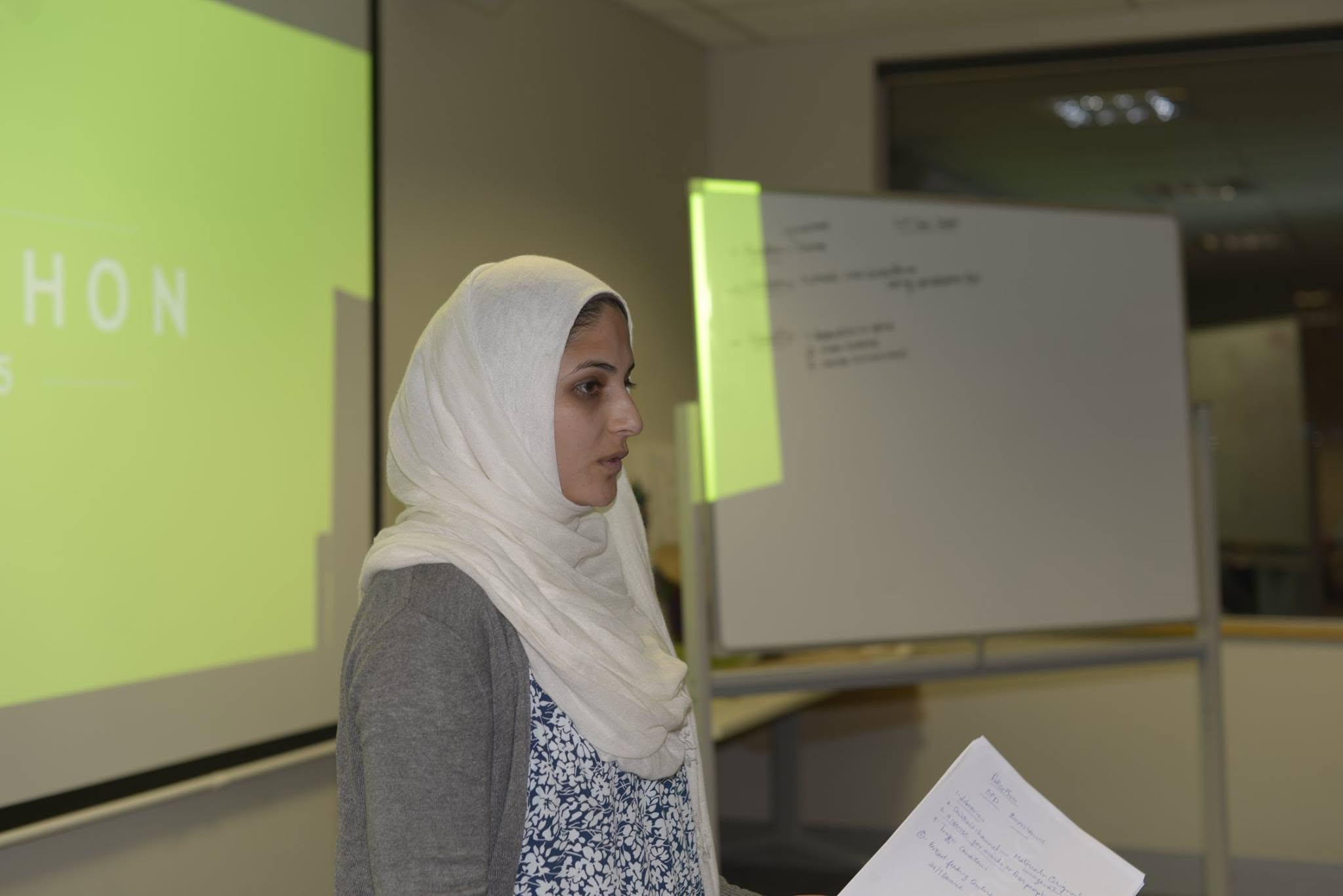
We also had mentors show up who didn't have to. Kash Bouns, who works with the Western Bulldogs and runs Melbourne's Multicultural Film Festival, spent his Day 1 helping teams sharpen ideas he had no stake in.
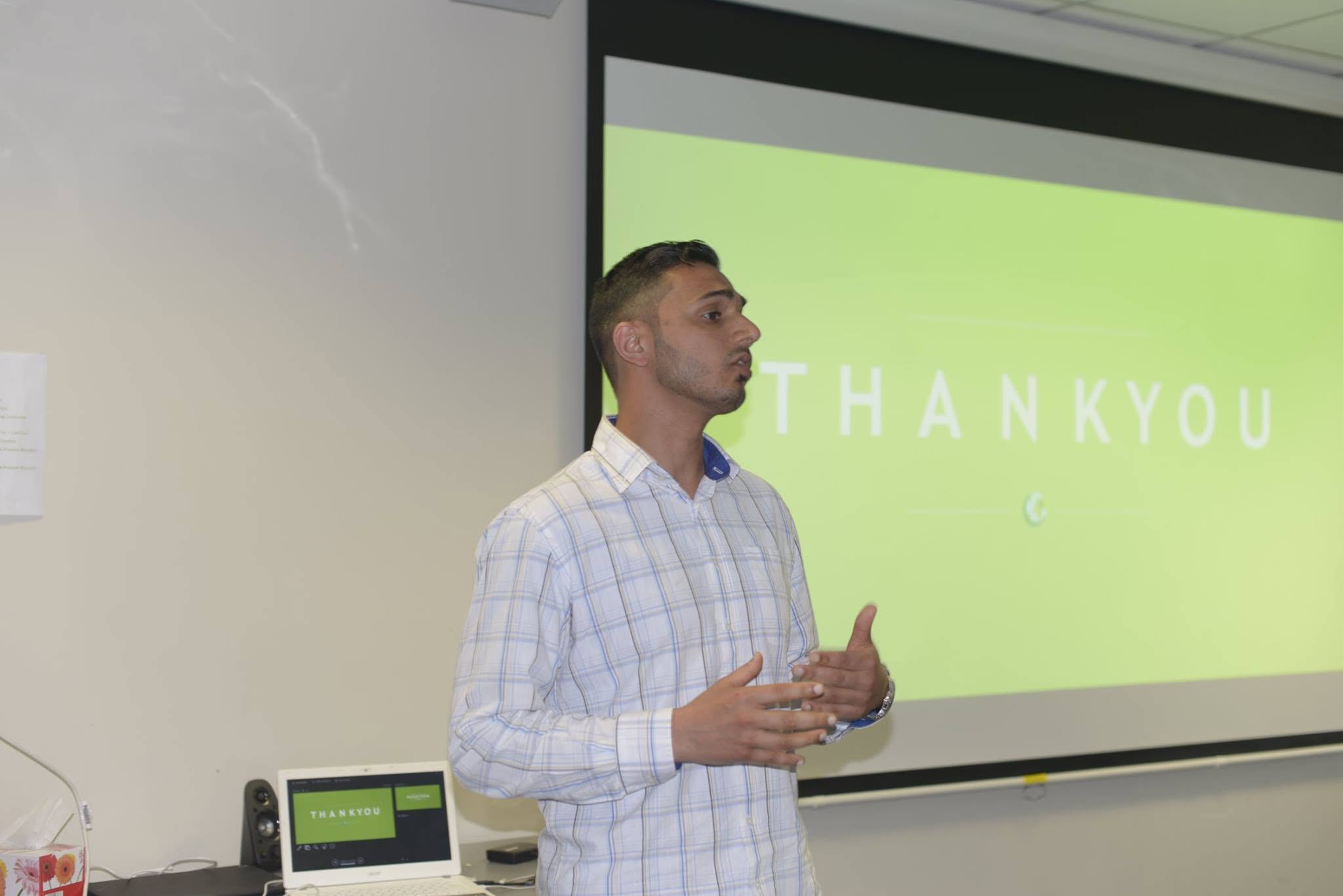
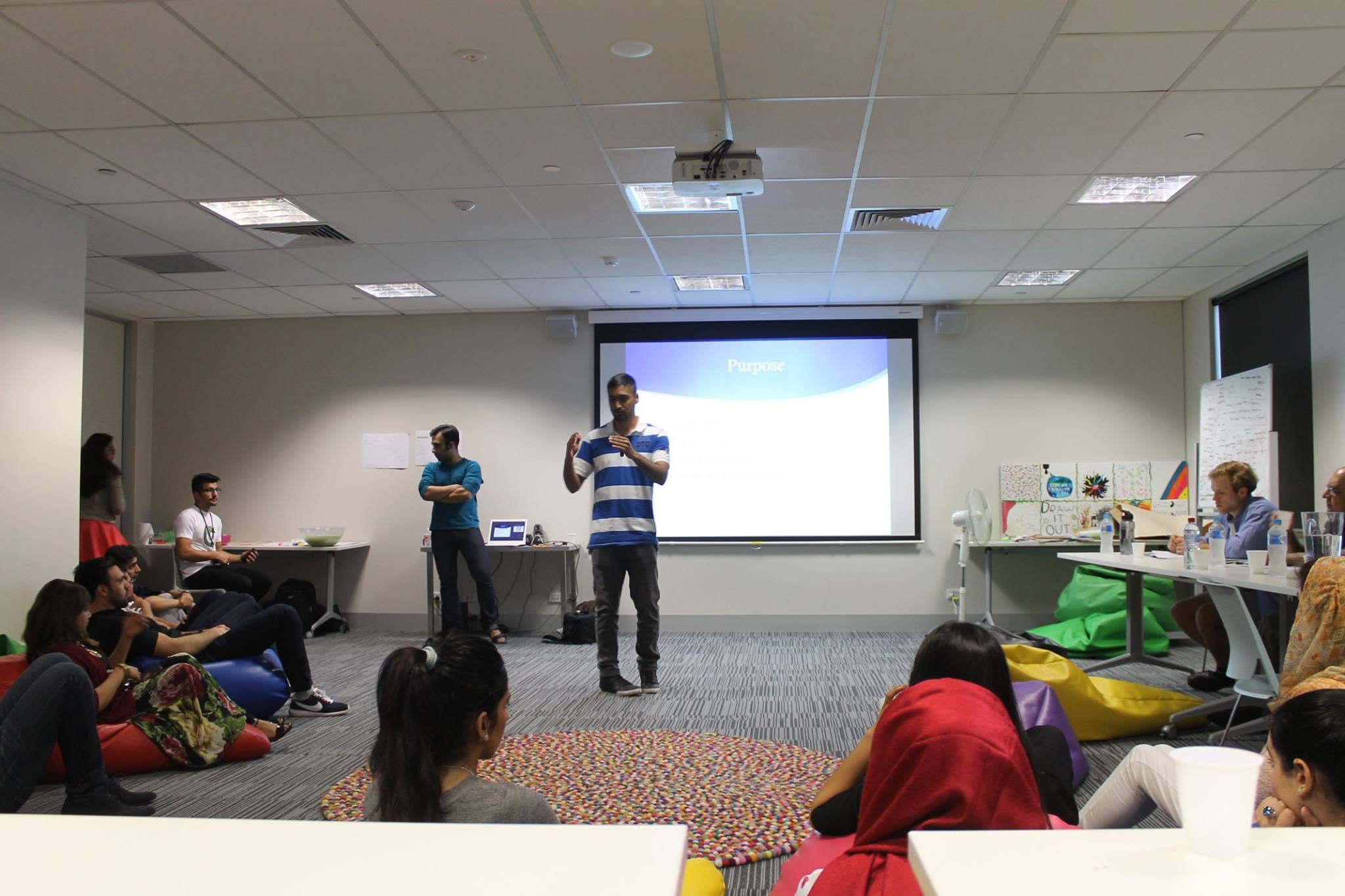
The team that won our Melbourne chapter pitched the natal care education idea. They went on to represent us at the global Pakathon final. I watched the QnA session stream from Melbourne, genuinely thinking we might win the whole thing.
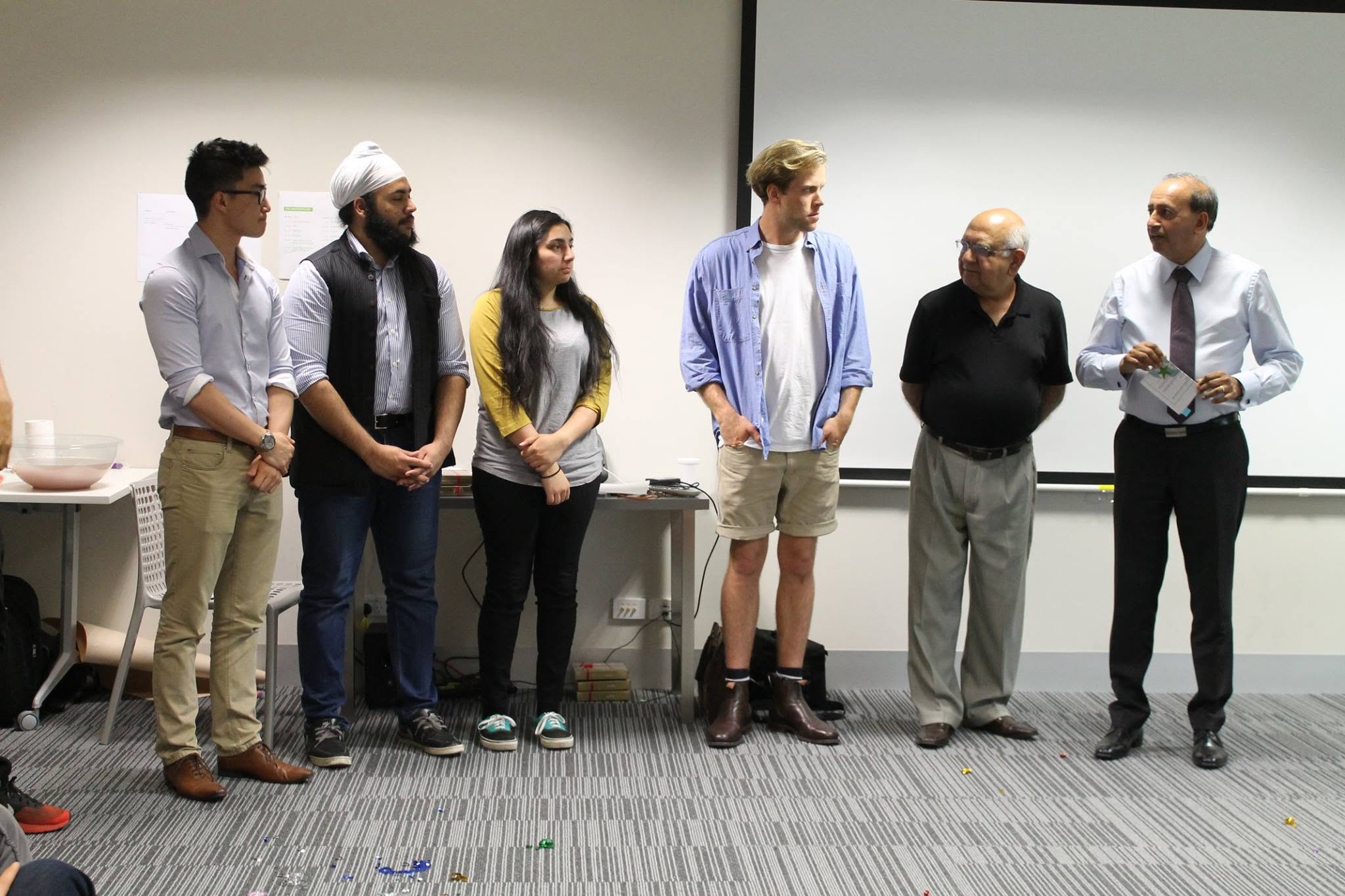
We didn't. A team from Toronto — "Ammi Knows Best" — took it globally. I don't have a tidy lesson to offer about that loss. We got close, and then we didn't win, and that's really the whole story.
The Quiet Year, and the Realisation
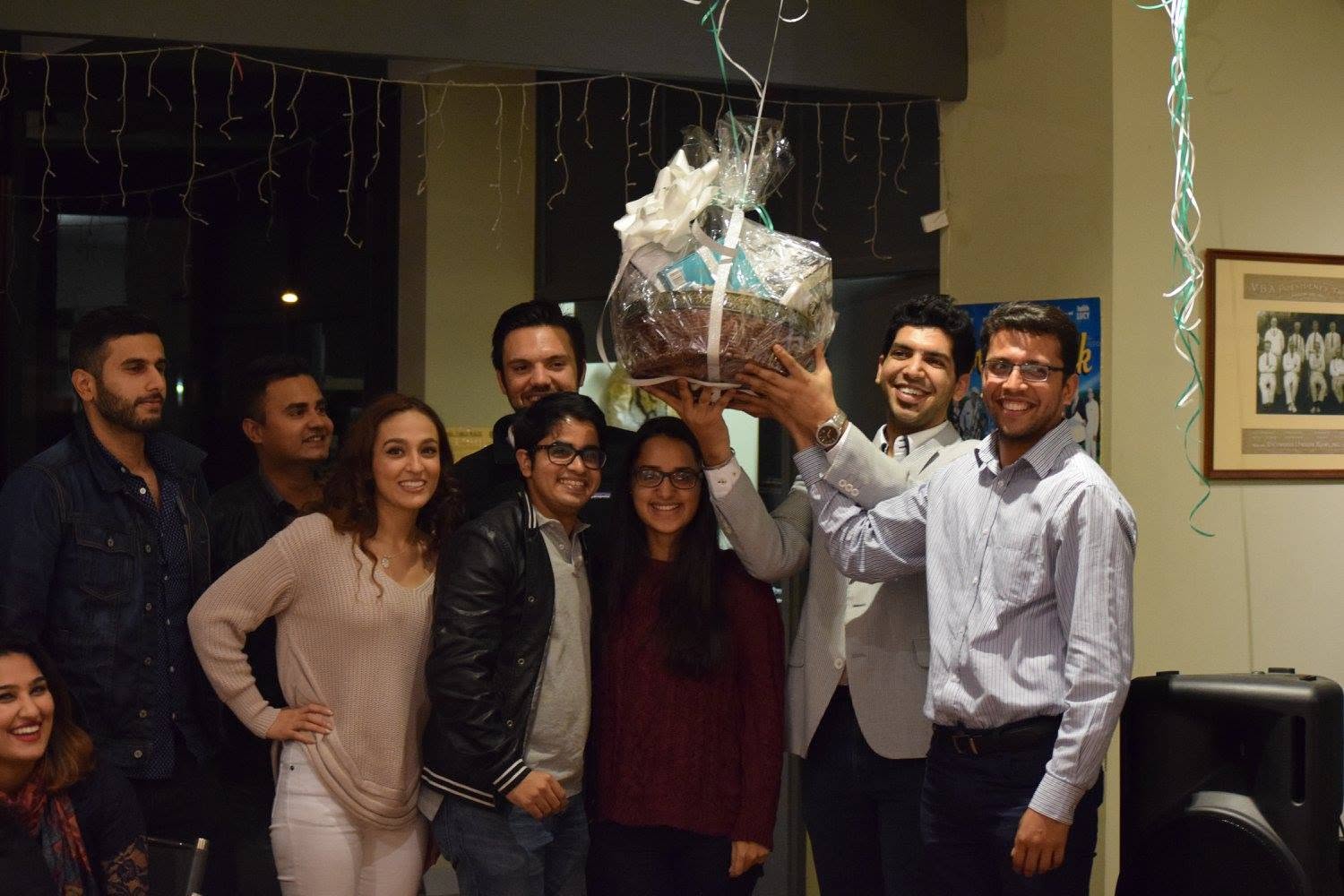
2016 was quieter. We ran a trivia night at the Richmond Union Bowls Club — no pitches, no judges, just a room full of people who'd become genuinely good friends through the chapter, eating, playing, being loud. It was purely social. No agenda beyond staying connected.
But somewhere in that year, a few of us sat with something that had been sitting underneath the whole project from the start. Pakathon's founding idea was to reverse brain drain — to encourage Pakistanis abroad to move back and build things at home. Good in theory. Except almost everyone running and attending our events had left Pakistan to come to Melbourne, often at real cost, often for good reasons. Asking that same group to reverse course didn't hold up once we actually said it out loud.
We were good at the other part — bringing people together, running events nobody expected a Pakistani community group in Melbourne to run, building a network from nothing. But the premise underneath it was one we couldn't fully believe in anymore. So people moved on. Interest faded the way it does. Eventually everyone went their own way, and the global movement didn't carry on either.
What Actually Stuck
I didn't get anyone to move back to Pakistan. What I got instead was a network I still have — friendships that outlasted the organisation by a decade, a group of people I met purely because I was curious enough to show up to something that hadn't been done before in that community, at that time.
Pakathon taught me something I still use in every venture since: the mission you start with and the value you actually deliver aren't always the same thing, and it's worth being honest with yourself about which one is real before you spend years chasing the wrong one.