July 17, 2026
Skipping the Internship to Start a Clothing Brand Instead
My undergraduate program had a compulsory internship requirement — the standard version of it was two months inside one department at one company, learning how that specific function worked. I went to my department and argued for something different: instead of an internship, I'd start my own clothing brand and go through the entire lifecycle myself. Vision, product design, sourcing raw material, finding a manufacturer, production, launch, marketing, sales, and everything in between. They approved it. That became Log80.
Why a narrow internship wasn't enough
The standard internship path gives you one department's view of a business — you learn how that team operates, but not how the whole thing connects. I wanted the opposite: not depth in one function, but the full, unbroken chain from an idea to a customer actually wearing the thing. That meant no handoffs. If I wanted to understand manufacturing, I stood in the facility. If I wanted to understand design, I sat next to the designer for the full day, every day, not just a debrief afterward.
That decision shaped everything that came after it. I wasn't managing Log80 from a desk — I was physically present for nearly every step, because the entire point of the exercise was refusing to let anyone else's summary substitute for my own understanding.
The theme, and the six designs
Log80's designs weren't decoration — they were built around a specific theme: the confusion, contradiction, and quiet frustration of being young in Pakistan at that moment. Six shirts, six lines, each one a small, sharp statement rather than a slogan you'd forget:
- "Born human, bred in a religion... who said anything about this great divide!"
- "Yes, we still roam on the planet of the apes... Darwin! You lied and we suffer!"
- "It is 'I' that my country misses the most, and it is 'I' who is responsible for everything that has happened to it."
- "Silenced, confined & oppressed... and they say we live in a free world."
- "Freedom of speech. Huh... what a joke."
- "My life = Disturbia. Thank you."
None of these were written to be safe. That was deliberate — the target audience was late teens and early twenties, a group that was, in my experience, tired of being spoken to gently about things that genuinely frustrated them.
Every step, in order, myself
I sourced the raw material and negotiated with a contract manufacturer, going back and forth on fabric (100% cotton, treated with silicon softeners — a specific, deliberate quality choice, not an afterthought) and fit across three sizes. I ran the design process alongside the designer rather than briefing them and waiting for a draft. Then came the part most people don't associate with "building a brand" at all: standing in the manufacturing facility, in person, for full days, watching the product actually get made.
The launch, and finding customers who didn't exist yet
This was the early days of social media as a marketing channel, which meant there was no established playbook to copy. We ran a full photo shoot — models, styling, the works — to give the designs the visual life they needed online.
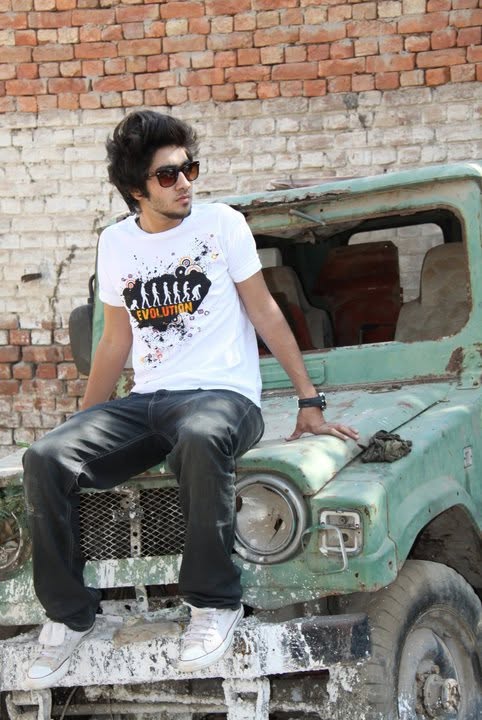
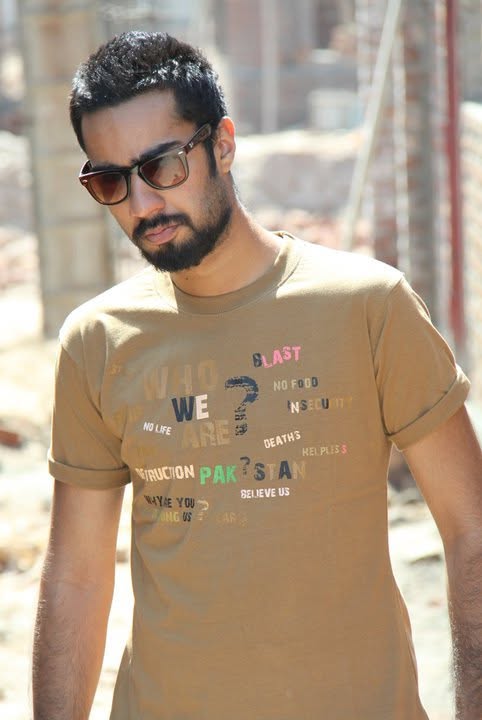

Beyond social media, I reached out directly to radio stations, pitching Log80 for on-air mentions and promotion — a genuinely unusual move for a university side-project, but it matched the scale of effort I'd committed to for the whole exercise. Finding customers meant reaching out to them directly, not waiting for them to find us.
What it actually taught me
Not just entrepreneurship — the manufacturing and engineering side of it mattered just as much. Watching a design go from a sketch to a cut, sewn, finished product taught me things about production constraints and quality control that no classroom could have. And running sales, logistics, and customer outreach simultaneously, as a team of five, taught me what it actually costs — in hours, not just money — to take a product from an idea to someone wearing it.
What I'd tell someone facing the same choice
If your program lets you choose between the safe, structured path and the harder, end-to-end one, take the harder one — but only if you actually intend to stand in every room where the real work happens, not just claim the title of "founder" while someone else does the work. The value of Log80 was never the clothing brand itself. It was refusing to let any single part of the process stay a mystery to me.